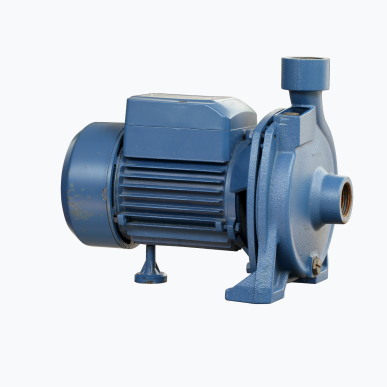
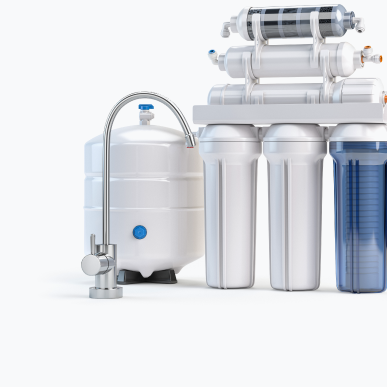
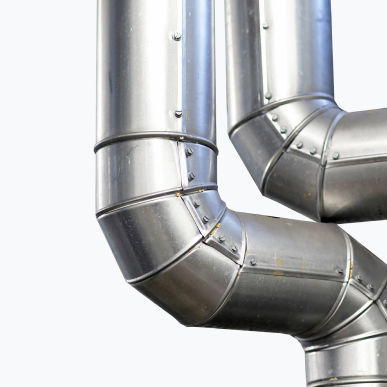
Water & Irrigation Equipment
Reliable Water & Irrigation Export Solutions for Infrastructure, Agriculture, and Industrial Projects
Water and irrigation systems form the backbone of agricultural productivity, urban infrastructure, and industrial sustainability. Exporting these systems requires engineering precision, environmental awareness, and strict operational control to ensure performance reliability across diverse operating conditions.
The company executes exports for water and irrigation equipment through controlled and verified supply chains designed to support infrastructure projects, agricultural development programs, and industrial water management requirements across the markets we serve.
Our Controlled Export Framework for Water & Irrigation Equipment
Exporting water and irrigation equipment requires a disciplined execution model due to the technical complexity, environmental exposure, and performance expectations associated with these systems.

Our Controlled Export Framework for Textiles & Apparel
The company has developed its own operating system by integrating a proprietary digital platform with its internal execution processes. This system allows clients to define system specifications, monitor execution stages, and access documentation while operating in parallel with internal departments responsible for export execution.

Order Validation
Orders within this sector are validated before execution for hydraulic specifications, performance parameters, dimensions, compatibility requirements, and commercial terms - ensuring operational reliability and preventing execution errors that can impact infrastructure or agricultural performance.

Production and Quality Standards
All partner manufacturers operate under pre-established technical and safety standards supervised by specialized internal departments. Each production batch is verified in accordance with regulatory frameworks, environmental requirements, and project-specific technical specifications.

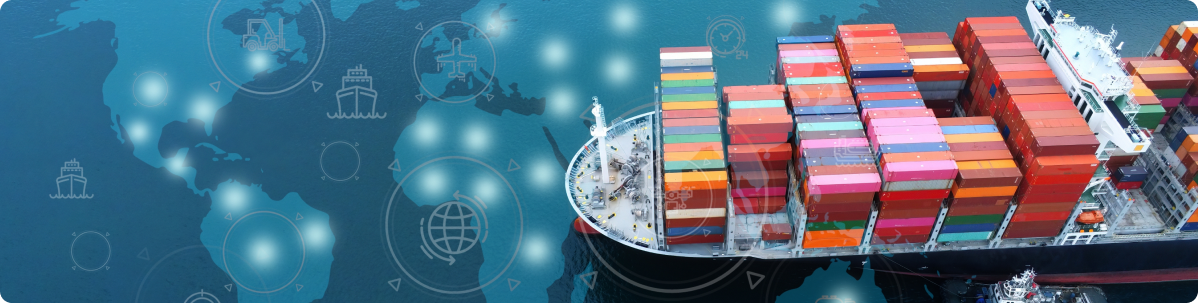
Logistics and Container Planning
Packaging, logistics planning, and container engineering are executed within the same operating system to balance equipment protection, cost efficiency, environmental sustainability, and delivery predictability.

Documentation and Compliance
Export documentation, regulatory certificates, and compliance records are prepared, verified, and archived within the system, allowing continuous client access through the client portal for customs clearance and project documentation requirements.

A Unified Execution Model
This execution framework transforms water and irrigation equipment exports into a controlled engineering-driven process that supports infrastructure reliability, agricultural continuity, and industrial water management efficiency.
Who We Serve
The Water & Irrigation Equipment sector supports professional buyers requiring durable, compliant, and technically validated water management solutions.

Importers & Distributors
We support distributors supplying irrigation and water equipment markets with system-validated specifications, reliable delivery planning, and complete export documentation readiness.

Infrastructure & EPC Contractors
We execute exports aligned with infrastructure development projects including water supply networks, pumping stations, irrigation modernization programs, and industrial water systems, ensuring technical compliance and project continuity.

Government & Institutional Tenders
We execute supply contracts for public infrastructure and national agricultural programs requiring regulatory compliance, technical validation, and reliable execution under tender-based procurement frameworks.

Agricultural & Multi-Location Operations
We support large-scale agricultural operators, irrigation program developers, and water resource management projects requiring consistent specifications and scalable procurement across multiple operational sites.
How Orders Are Executed
Orders in the Water & Irrigation Equipment sector are executed through a unified operating system combining digital control with engineering oversight to ensure accuracy, performance reliability, and full traceability.
Step 1

Orders can be created digitally through the company’s ERP-integrated operating platform or assisted directly by our experienced export team — both executed within the same controlled operating system.
Step 2

Once initiated, orders undergo system validation to confirm:
• Hydraulic performance requirements
• Flow rate and pressure specifications
• Compatibility with system integration requirements
Step 3

Execution then proceeds through verified workflows integrating quality validation, packaging engineering, logistics coordination, and export documentation handling.
This approach ensures that every water and irrigation equipment shipment is executed with precision, reliability, and operational control — whether supporting infrastructure projects, agricultural programs, or industrial applications.
Export Capability Snapshot
Our export operations are supported by established manufacturing partnerships, structured logistics coordination, and disciplined execution procedures designed for international trade.
Operational capabilities include:

Verified manufacturing partnerships across specialized production clusters

Structured execution of bulk procurement and mixed-container shipments

Integrated logistics coordination across international shipping routes

Centralized management of export documentation and regulatory requirements

Operational alignment between sourcing, quality control, and shipment execution
Quality Control & Regulatory Compliance
Within the Water & Irrigation Equipment sector, quality and regulatory compliance are embedded into the company’s execution model and implemented through controlled manufacturing partnerships and internal verification procedures.

Pre-Established Engineering & Performance Standards
All equipment is manufactured according to internationally recognized engineering standards covering:
- Hydraulic performance and flow efficiency
- Corrosion resistance and durability
- Environmental and water safety compliance
- System compatibility and long-term operational stability
- Production traceability and manufacturing consistency
These standards are applied continuously throughout production cycles to maintain consistency across equipment batches.

Batch-Level Verification Before Export
For every shipment, internal quality departments verify production batches against:
- Approved technical specifications
- Destination-market regulatory requirements
- Environmental and operational performance standards
- Contractual quality commitments
No shipment is authorized unless full technical and regulatory conformity is achieved.

Regulatory Alignment by Destination Market
Export execution includes compliance verification aligned with destination-market regulatory frameworks, including:
- Water safety and potable water system certifications
- Environmental protection and wastewater management standards
- Irrigation efficiency and sustainability regulations
- Equipment labeling and certification requirements
Because regulatory frameworks evolve across markets, compliance is maintained as an adaptive operational process.

Export Documentation Prepared as Part of Execution
Every shipment is accompanied by full regulatory and commercial documentation including certificates of origin, technical compliance records, and project-specific certification requirements necessary for customs clearance and lawful installation.
Packaging, Logistics & Mixed-Container Handling
Water and irrigation equipment logistics are executed as engineered operational processes designed to protect heavy, corrosion-sensitive, and performance-critical equipment during international transport.

Product Protection by Design
Packaging is engineered based on equipment weight, structural design, and environmental exposure risks to protect against:
- Mechanical shock and vibration
- Corrosion and humidity exposure
- Structural stress during container movement
- Handling risks across multiple transit stages
Cost-Efficient Logistics Optimization
Logistics planning is designed to:
- Optimize container utilization
- Reduce shipping costs without compromising equipment protection
- Enable safe stacking and load distribution
- Maintain environmental packaging standards
Mixed-Container Export Execution
Mixed-container shipments are executed under controlled procedures including:
- Equipment grouping based on weight and structural compatibility
- Segmented loading planning to prevent cross-damage
- Load sequencing aligned with installation or deployment priorities
- Batch-level and equipment-level identification
Bulk & Project Equipment Shipments
Large-scale project shipments are executed through structured logistics models including multi-container dispatches and coordinated delivery scheduling aligned with installation requirements.
Integrated Logistics Coordination
The company operates a dedicated internal logistics department managing all export logistics services tailored to project and market requirements. Logistics execution is fully integrated with the operating system, allowing real-time shipment visibility and coordination between internal departments and client schedules.
Frequently Asked Questions
1. Do you support government, institutional, and large-scale water infrastructure projects?
Yes. Export execution is structured to support public water infrastructure, irrigation development programs, and large-scale industrial water management projects. Shipments for large-scale projects and high-volume contracts can, upon request, be scheduled and phased in alignment with execution timelines and site readiness — allowing progressive material delivery without operational disruption.
2. How do you ensure equipment performance reliability?
Quality validation is integrated into our execution model. Each production batch is reviewed by internal technical departments against hydraulic performance specifications, environmental requirements, and contractual parameters. Equipment is verified at defined control points before shipment authorization.
3. Do you maintain stock availability for water and irrigation equipment?
Yes. Export execution is supported by strategic reserve stock allowing rapid order preparation, reducing supply interruptions, and supporting continuity for project and infrastructure shipments.
4. Will I have access to shipment tracking and export documentation?
Yes. All documentation – including technical certifications, packing lists, and compliance records – is archived and accessible through the client portal. Shipment loading videos can also be provided upon request.
5. Can you execute mixed-container shipments for irrigation and water systems?
Yes. Mixed-container shipments are executed under structured planning procedures ensuring safe transport and accurate delivery of multiple equipment categories.
6. Why do manufacturers collaborate with your export company?
Because we provide a centralized export channel enabling manufacturers to reach multiple international markets through one execution partner without managing storage, documentation, staffing, or fragmented logistics independently.
7. What operational advantages do manufacturing partners gain?
Manufacturers benefit from:
- A single export partner and delivery coordination point
- Reduced export-side operational and staffing requirements
- Full traceability through the ERP-integrated operating system
- Structured stock reinforcement support
- Simplified administrative processes
- Reduced exposure to payment risks
- Real-time stock and order visibility
- Centralized commercial data management
- Access to a dedicated Supplier Portal
8. Do manufacturers receive sales statistics and market performance insights?
Yes. Manufacturing partners receive structured sales statistics including export volumes, destination markets served, and product performance trends supporting production planning and market positioning.
9. Which export sectors do you support?
We operate across Electronics & Electrical Appliances, Electrical Energy Materials & Solar Energy Solutions, Textiles & Apparel, and Water & Irrigation Equipment using the same controlled operating system across all sectors.